
Innovation in application
We translate engineered bamboo potential into buildable systems, pairing contemporary detailing with performance-led specification logic.
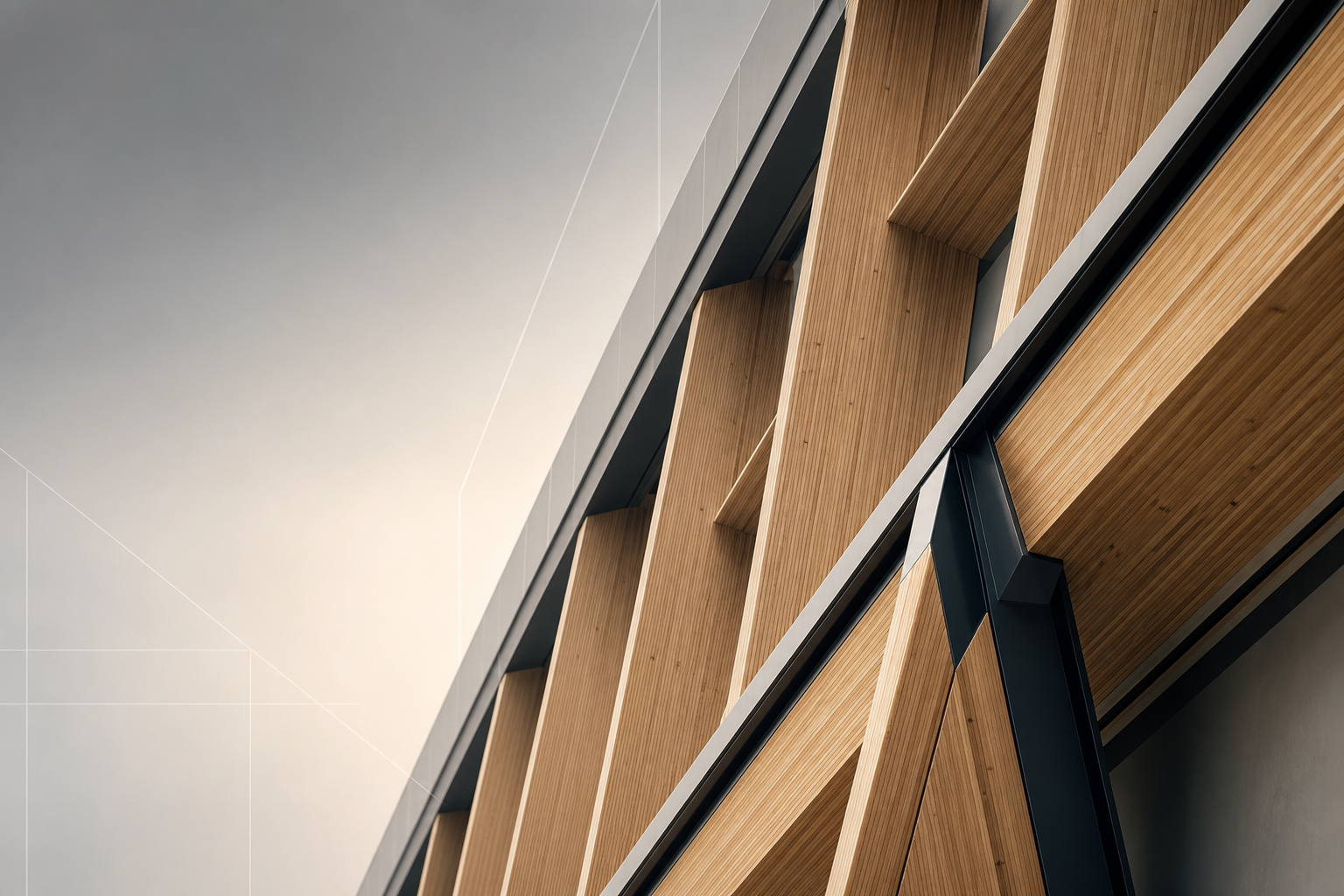
Onderscorp \u2022 Material Vision
Onderscorp brings a corporate construction perspective shaped by innovative bamboo solutions from dasso, delivering durable architectural performance and long-term design value for future-ready projects.
Strategic Direction
Onderscorp looks beyond conventional material choices to advance future-ready construction systems that align technical rigor with architectural ambition.
We translate engineered bamboo potential into buildable systems, pairing contemporary detailing with performance-led specification logic.
Our material direction balances structural demands, lifecycle awareness, and responsible sourcing to support credible low-impact decisions.
We focus on durability, clarity in delivery, and enduring design relevance so projects retain technical and commercial value over time.
Material rationale
Engineered bamboo systems can align structural intent, architectural quality, and long-term project value without relying on conventional assumptions.
Specified for service life expectations, not short-cycle replacement planning.
Engineered manufacturing improves consistency across humidity and temperature shifts.
Suitable for warm architectural expression across interior, facade, and mixed-material systems.
A credible low-impact option when performance, sourcing discipline, and lifecycle thinking are aligned.
Onderscorp defines future-ready construction through standards that balance performance, architecture, and enduring value.
Better-performing materials
Systems should deliver measurable structural reliability, efficiency, and consistency across project lifecycles.
Design confidence
Material choices should empower architects with precision, aesthetic clarity, and dependable specification outcomes.
Environmental responsibility
Construction decisions should reduce resource pressure while aligning with credible, long-horizon sustainability goals.
Long-term relevance
Building systems should remain technically and commercially relevant as regulations, expectations, and use cases evolve.
Engineered confidence
Designed with performance-led rigor to support demanding architectural applications.
Low-maintenance mindset
Specified for long-term practicality with a clear emphasis on lifecycle efficiency.
Specification-ready thinking
Structured to align with technical review workflows and disciplined project delivery.
Future-focused sourcing
Positioned around forward-looking material choices that support resilient construction strategies.
FAQ
Practical answers for teams evaluating engineered bamboo in real project conditions.
Need a project-specific view on feasibility, performance envelope, and specification pathway?
Discuss your project